Capacity Building and Input Distribution to Tribal Farmers under TSP at ICAR-KVK, Kolar, Karnataka
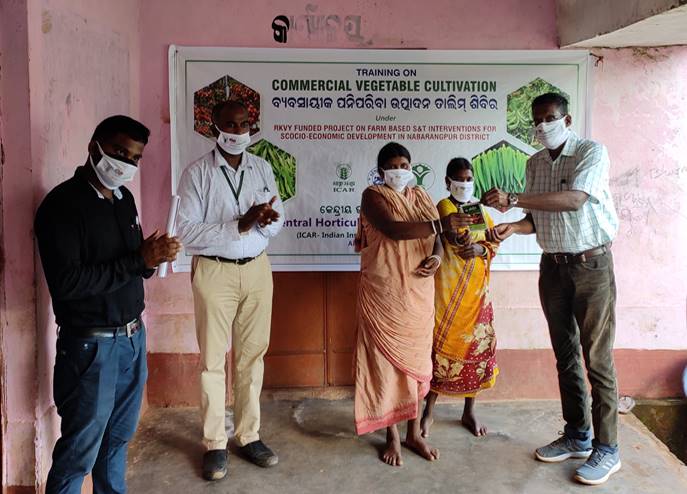
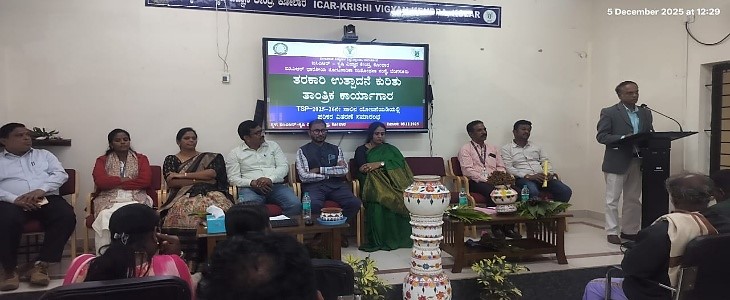
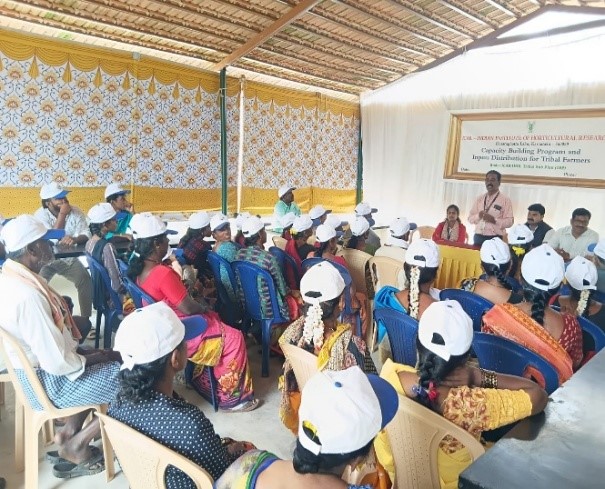
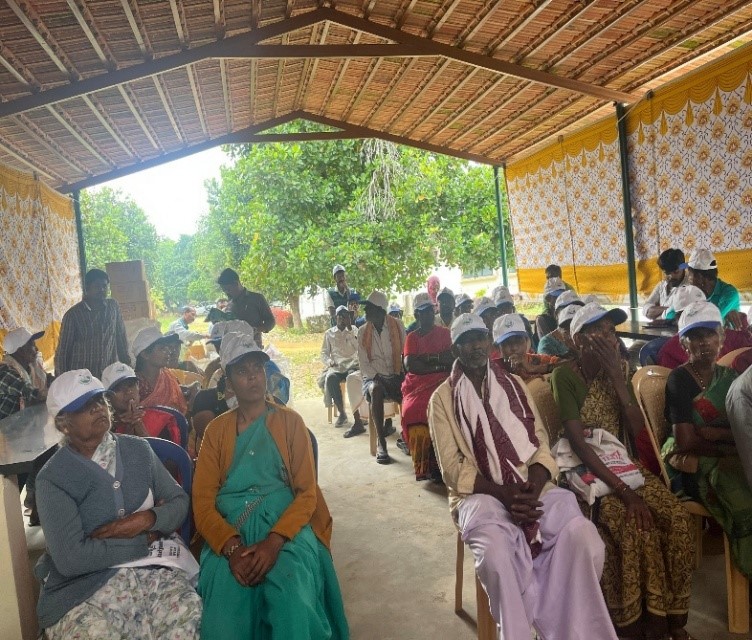
A training programme was organised at ICAR- Krishi Vigyan Kendra (ICAR-KVK), Kolar under Tribal Sub Plan (TSP) on 5 December 2025 with the objective of strengthening the knowledge and skills of tribal farmers in crop production and Integrated Pest Management (IPM) in major horticultural crops of Kolar district. The event was graced by several dignitaries, including Dr. Javeeda Naseema, Joint Director of Agriculture, Kolar; Dr. Raghavendra. K. Mesta, Dean, College of Horticulture, Kolar; Dr. Shivananda Hongal, Head, ICAR-KVK Kolar; Dr. T. H. Singh, Nodal Officer (TSP); Dr. Jayanthi Mala B R, Senior Scientist; Smt. Manjula, Deputy Director of Agriculture; Dr. V. Nache Gowda, Rtd. Professor, College of Horticulture, Kolar; and Shri Keshav Reddy, Area Manager, Valagro Bioscience Ltd.
The programme began with a welcome address by Dr. Shivananda Hongal, who highlighted the importance of capacity building for tribal farming communities. Dr. T. H. Singh provided an overview of the TSP initiatives and elaborated on the various interventions planned to improve the livelihood and productivity of tribal farmers through scientific technologies. Dr. Jayanthi Mala B. R, briefed the participants on Integrated Pest Management strategies in major horticultural crops. She emphasised eco-friendly pest management practices, monitoring techniques, bio-rational inputs and the importance of adopting IPM for sustainable crop health and improved yield. The dignitaries interacted with the farmers and encouraged them to implement scientific and climate-resilient practices in their fields.
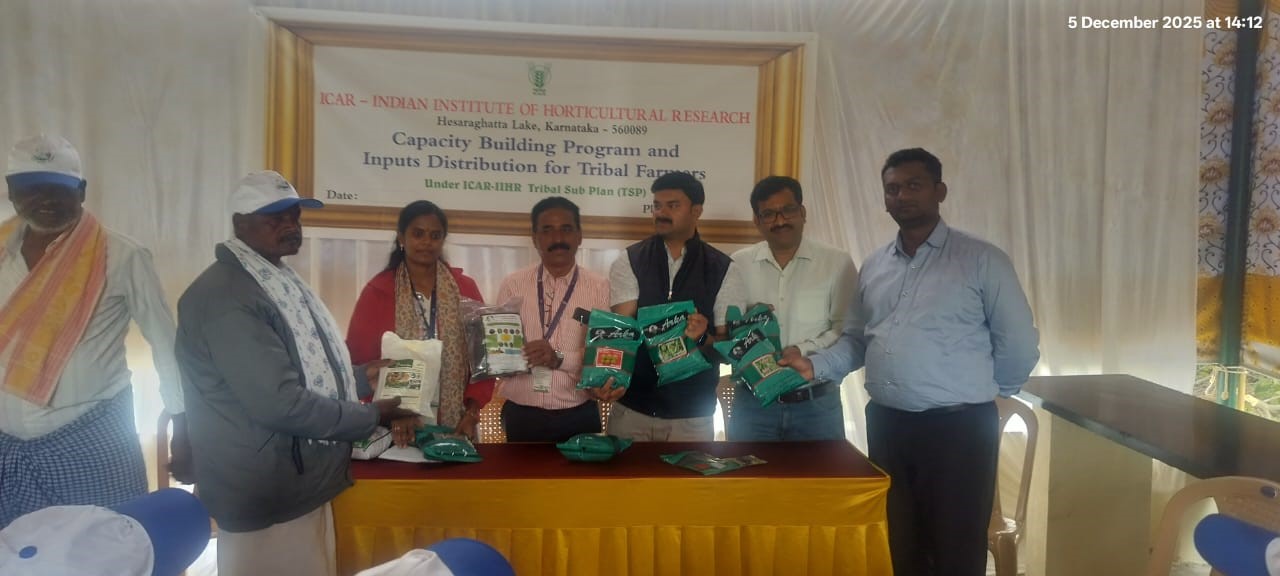
Following the training sessions, essential agricultural inputs were distributed to all participating tribal farmers under the TSP component. The inputs included Vegetable seeds, Arka Microbial Consortium (AMC), Neem soap and Vegetable Special nutrient formulation. These inputs were provided to support farmers in adopting improved vegetable cultivation practices, enhance soil and plant health, and promote the use of safe and sustainable pest management tools.